Ebola Emergency: WHO Declares Global Health Crisis in DR Congo
The World Health Organization (WHO) has officially declared the Ebola outbreak in the Democratic Republic of Congo (DR Congo) a Public Health Emergency of International Concern (PHEIC). This designation signals the urgent need for a coordinated international response to contain the spread of the deadly virus.
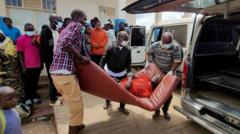
Understanding the Ebola Outbreak in DR Congo
The current outbreak, primarily concentrated in the eastern part of the DR Congo, has presented significant challenges due to ongoing conflict, community mistrust, and logistical difficulties in accessing affected areas. Despite these hurdles, healthcare workers and international organizations have been working tirelessly to combat the disease.
- Total Cases: Approximately 246 confirmed cases.
- Mortality Rate: Roughly 80 deaths reported.
- Geographic Focus: Primarily in eastern DR Congo.
Why a Global Health Emergency?
The declaration of a PHEIC is reserved for the most serious international health events. It triggers increased international attention, funding, and coordination to prevent further spread. While the WHO acknowledges the severity of the situation, it also clarified that the outbreak, at this stage, does not meet the criteria for a pandemic.
Key Factors Leading to the Declaration:
- Cross-border Transmission: The risk of Ebola spreading to neighboring countries.
- Strain on Resources: The outbreak is straining the DR Congo's healthcare system.
- Need for Coordinated Response: A global response is vital for effective containment.
What Does This Mean for the World?
The PHEIC declaration serves as a call to action for countries and organizations worldwide. It emphasizes the need for:
- Increased Funding: To support vaccination efforts, treatment centers, and community engagement.
- Enhanced Surveillance: To detect and respond to new cases quickly.
- Improved Coordination: Between governments, international organizations, and local communities.
- Travel Advice: The WHO is not recommending travel restrictions at this time, but travelers to affected areas should take precautions.
Challenges and the Path Forward
Containing the Ebola outbreak in DR Congo remains a complex undertaking. Overcoming community mistrust, ensuring the safety of healthcare workers, and addressing logistical challenges are crucial for success. The development and deployment of effective Ebola vaccines have been instrumental in mitigating the spread, but sustained efforts are needed to bring the outbreak under control.
The WHO's declaration underscores the importance of global solidarity and coordinated action in the face of public health emergencies. By working together, the international community can help protect vulnerable populations and prevent the further spread of this deadly disease.