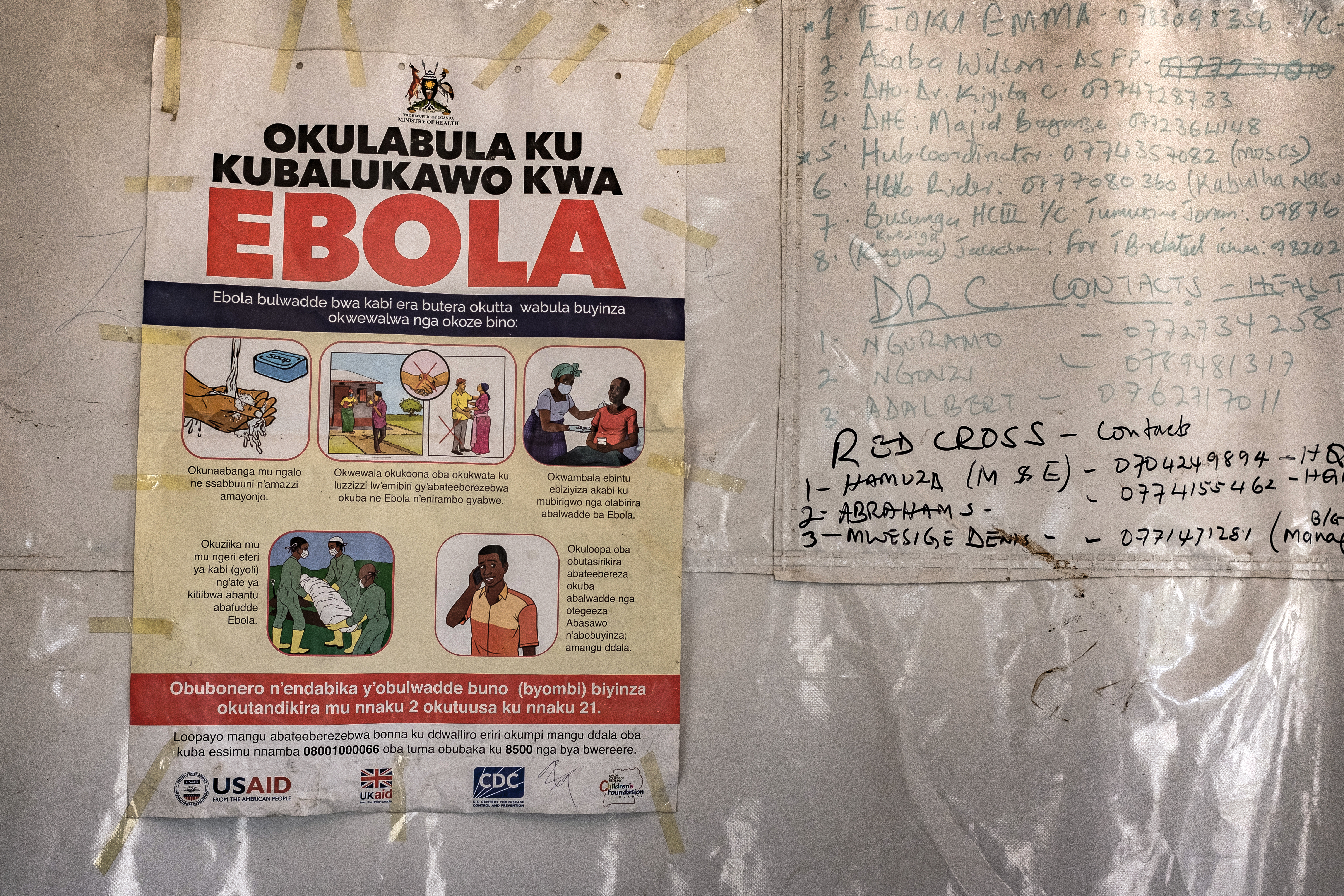
Okay, here's my take on the Ebola outbreak – trying to make sense of what's happening.
Ebola Outbreak: How Concerned Should We Be?
So, how worried should we be about this latest Ebola outbreak in the Democratic Republic of Congo? It started off pretty quietly, right? But some recent stuff suggests it could be more serious than we thought at first, and let's not pretend, in a world still trying to get back on its feet after COVID-19, any news about a potential global health crisis is going to set off alarm bells. Is this a growing threat?
As of mid-May, the US Centers for Disease Control and Prevention was reporting some concerning stuff: hundreds of suspected cases in the DRC, plus confirmed cases popping up over the border in Uganda. The numbers are way lower than that awful 2014-2016 West African outbreak (you remember, the one that killed over 11,000 people?). But the trend? Not great. It's already one of the top 10 largest Ebola outbreaks ever, which is a sobering reminder of just how quickly things can get out of hand.
Why the International Alarm Over Ebola?
So, what made the World Health Organization declare a "public health emergency of international concern" (PHEIC)? It's not a pandemic declaration, thankfully. But WHO Director-General Tedros Adhanom Ghebreyesus flagged a few red flags: clusters of suspected cases and deaths showing up in different areas; healthcare workers among the dead – that's really worrying, as it suggests infection control isn't working; and – get this – cases in faraway places with no clear connection. It seems to me, that suggests the outbreak is bigger, and spreading faster, than we even know. What does a PHEIC declaration mean in practice?
Historically, Ebola outbreaks have been pretty much contained to specific regions, often because of quick responses and, well, the disease itself is so brutal it often burns itself out. But this time feels different. The DRC is huge, with borders that aren't exactly secure, and the ongoing conflict in the region makes it super hard for health workers to get to affected areas and track the virus.
Interestingly, declaring a PHEIC isn't just about the immediate health threat. It's also about getting resources moving. It's basically a signal to the world to get funding, people, and medical supplies in motion. Think of it as a global SOS.
Are We Prepared for a Widespread Ebola Outbreak?
And that's the thing that's worrying, isn't it? The unknown. Are we doing enough to contain the spread of Ebola? Are we ready if it spreads wider, especially with how stretched global health systems already are? Time will tell, I guess. But one thing's for sure: this outbreak is a stark reminder of how connected we all are, and the constant threat of new infectious diseases. We ignore that at our peril.